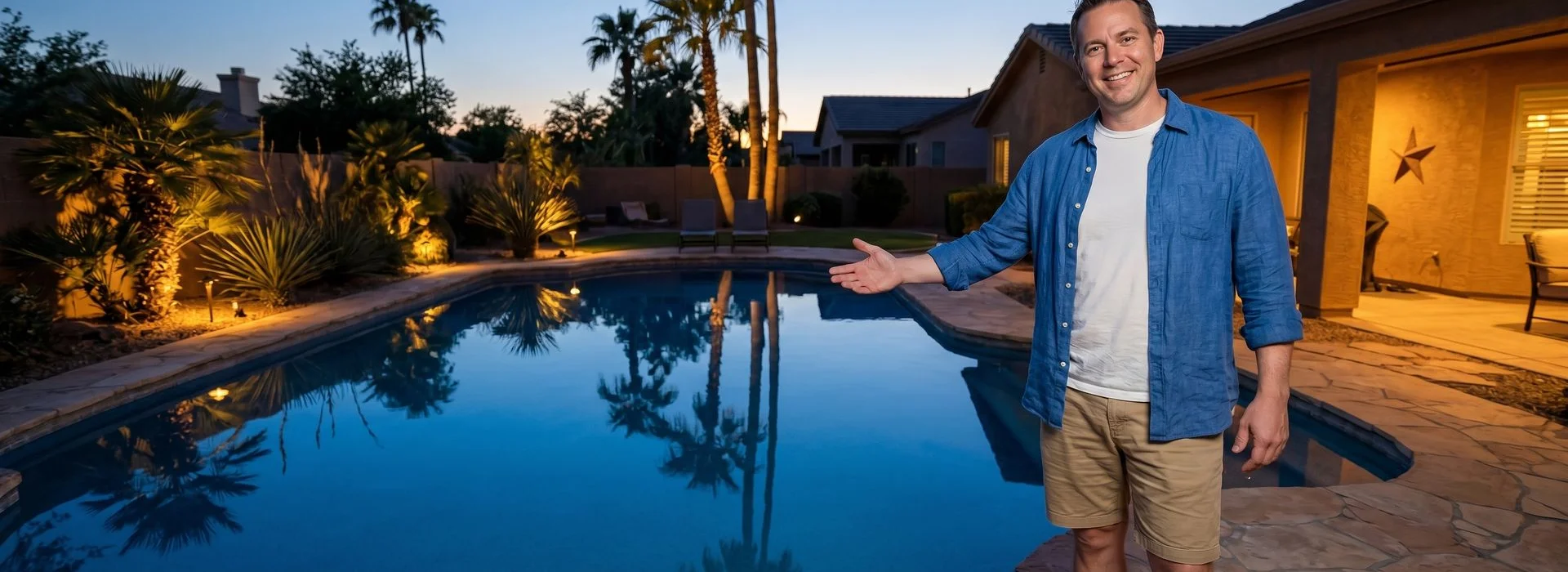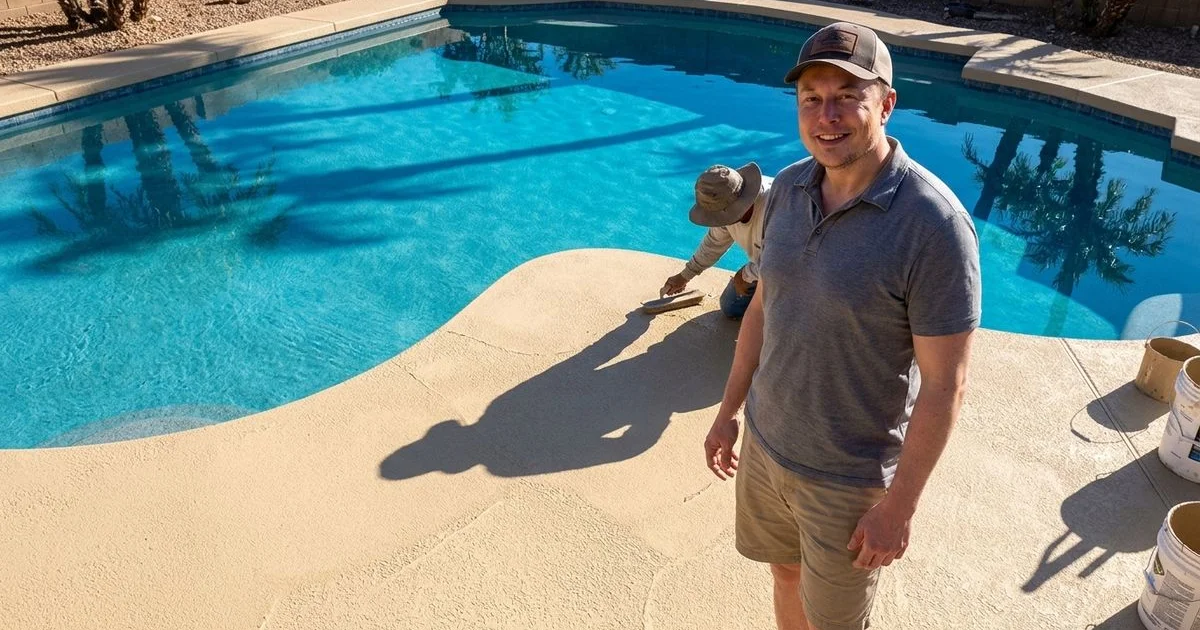
We see it all the time with older swimming pools around Phoenix. That intense midday sun turns aging concrete into a painful hot plate. The surface simply becomes too hot for comfortable barefoot walking.
Our team at David Resurface understands that finding an affordable, cooling solution is the priority for any backyard renovation.
If you have ever asked yourself what is cool deck, this guide breaks down exactly how the surface works. Let’s get kool deck explained so you can make a smart upgrade. When you are ready to install, see our Phoenix Cool Deck resurfacing service for pricing and color options.
What Is Cool Deck at a Glance
Cool Deck is a textured acrylic-cement overlay applied over existing pool decks to reduce surface heat. The acrylic carries pigment and infrared-reflective compounds while the cement gives a textured grip.
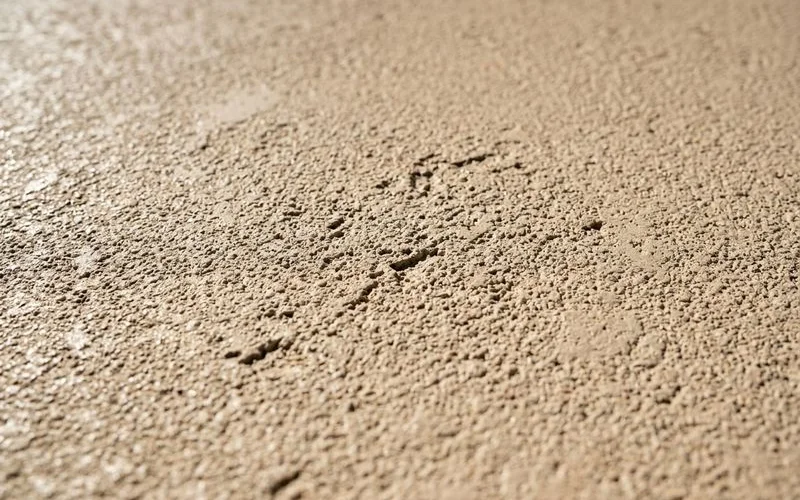
Our standard application uses specific white Portland cement and marble sand to create that iconic knock-down finish. This heat reflective pool deck coating is the best defense against burning feet during a 115-degree summer afternoon.
Originally trade-named Kool Deck by Mortex Manufacturing in 1962, the product category now includes several compatible acrylic-cement deck coatings. Homeowners often use the name to describe any cooling patio surface.
We see these coatings last around five to ten years in the harsh desert climate before needing a touch-up. Here are the core ingredients that make the product work:
- White Portland Cement: Provides the strong structural base.
- Marble Sand: Creates the slip-resistant texture.
- Synthetic Iron-Oxide Pigments: Adds specific color and UV resistance.
Why It Matters for Phoenix
Plain concrete can reach a scorching 170°F during the summer, causing severe burns to bare feet. The pain threshold for human skin is around 120°F.
The heat math
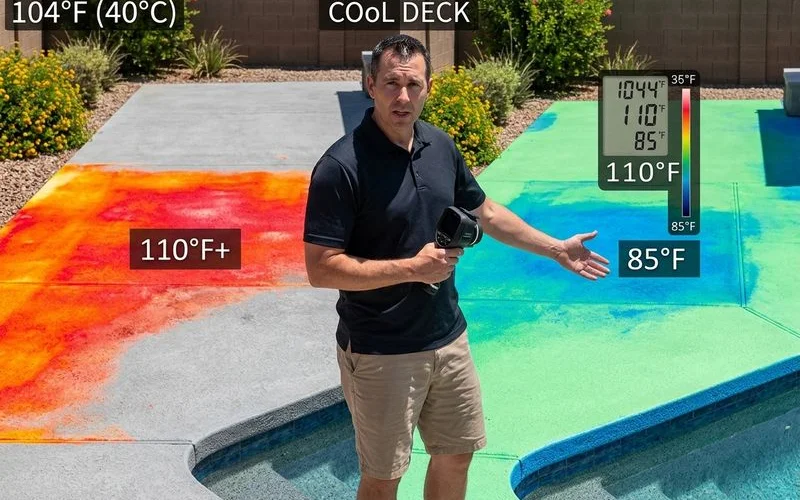
Bare concrete at 2 p.m. in July can hit 150-170°F surface temperature. Barefoot pain threshold is around 120°F. Cool Deck drops surface temperature by 20-38°F, pulling it into a safe, walkable range. That is the entire value proposition.
Our local customers consistently tell us that un-coated concrete makes their backyard unusable by midday. Summer temperatures in the Valley often soar past 110°F.
The specialized reflective finish blocks the heat absorption that typically ruins summer afternoons. Data from 2026 shows that homes with pristine pool areas sell faster than those with cracked decking.
We strongly recommend reading our Cool Deck lifespan in Arizona guide for specific maintenance timelines. A properly maintained surface protects your feet and adds immense property value.
How It Works
Three main scientific mechanisms combine to reject heat and trap cool air. The specialized acrylic and physical texture work together to change how the surface interacts with sunlight.
Our preferred sealers utilize infrared-reflective technology to achieve these results. The process relies on three distinct functions.
UV Reflection
The light-colored pigmented sealer actively bounces solar radiation away rather than absorbing it. Advanced 100% acrylic paints contain specific infrared-reflective properties to maximize this effect.
We have seen high-quality sealers reduce surface temperatures by up to 30 percent based on recent performance data. This reflection is the primary defense against the intense summer sun.
Thermal Mass Moderation
The classic knock-down texture physically traps a thin layer of still air right at the foot-contact zone. This air pocket reduces the amount of direct heat transfer to your skin.
Our application process creates tiny valleys and peaks across the cement. Less physical contact with the hot concrete means less heat reaches your foot.
Evaporative Cooling
The textured surface retains tiny pockets of moisture much longer than smooth, flat concrete. Splash-back from the swimming pool settles into the porous texture.
Our technicians note that this brief evaporative cooling provides a noticeable drop in temperature on the hottest afternoons. The moisture slowly turns into vapor and cools the surrounding air.
Color Choice Matters
Lighter colors reflect the most UV radiation, while darker colors naturally absorb and retain more heat. Choosing the right shade directly impacts how hot the patio gets.
Our color consultation always starts by looking at your yard’s sun exposure. Not all finishes perform identically under the desert sun.
| Color Palette | Heat Reflection | Best Sun Exposure |
|---|---|---|
| White, Sand, Light Grey | Highest (up to 38% cooler) | West-facing and South-facing, Full Sun |
| Taupe, Tan, Medium Grey | Moderate | Partial Sun |
| Blues, Greens, Dark Greys | Lowest (Absorbs Heat) | Heavily Shaded Areas |
Our inventory includes popular lighter shades like taupe that maximize barefoot comfort. For west-facing and south-facing decks with full sun exposure, you must stay at the light end of the palette.
Even specialty dark Designer Colors from Mortex will feel warmer than classic white. We advise clients with heavily shaded areas that they can safely handle darker tones without a major heat penalty.
Who It’s Right For
Heat reflective overlays are perfect for homeowners dealing with unbearable surface temperatures, peeling concrete, or heavy foot traffic around the water. A quick resurfacing job transforms an outdated patio into a safe recreation zone.
Our crews regularly apply this system for budget-conscious buyers who want the highest heat-impact investment per dollar. A complete resurfacing project in 2026 typically costs between $4 and $12 per square foot.
This price point makes it much more affordable than ripping out and pouring brand new cement. This upgrade is specifically designed for the following situations:
- Any Phoenix-area pool deck getting full afternoon sun.
- Properties with kid-heavy barefoot traffic.
- Older concrete decks showing surface wear or crazing.
- Homeowners needing an aesthetic refresh without structural replacement.
We highly suggest comparing options if you are still undecided. For alternative materials, see our comprehensive guide on Cool Deck vs Acrylic Lace vs Pavers. Different materials offer varying levels of maintenance and longevity.
Our team is ready to schedule an on-site deck inspection. You can view our Cool Deck service options to walk through the full prep-to-color-seal process. Now that you know what is cool deck, protect your feet and upgrade your outdoor living space today.