We see pool surfaces take an absolute beating in this harsh desert environment. Phoenix summers bring 115-degree temperatures and a relentless UV index that degrades materials rapidly. Our team at David Resurface frequently evaluates whether a homeowner needs a simple fix or a total overhaul, which often leads to the debate of pool crack injection vs stapling.
Making the wrong choice means wasting thousands of dollars on a temporary patch.
We want to help you understand the three proven ways to approach these repairs. This guide breaks down the exact differences between the major pool crack repair methods. Our goal is to give you the data needed to make a smart, lasting decision for your backyard.
The Three-Method Decision
Three different crack repair methods solve three very distinct problems. Picking correctly depends entirely on the crack type, width, location, and the current age of your pool finish.
Method 1: Injection
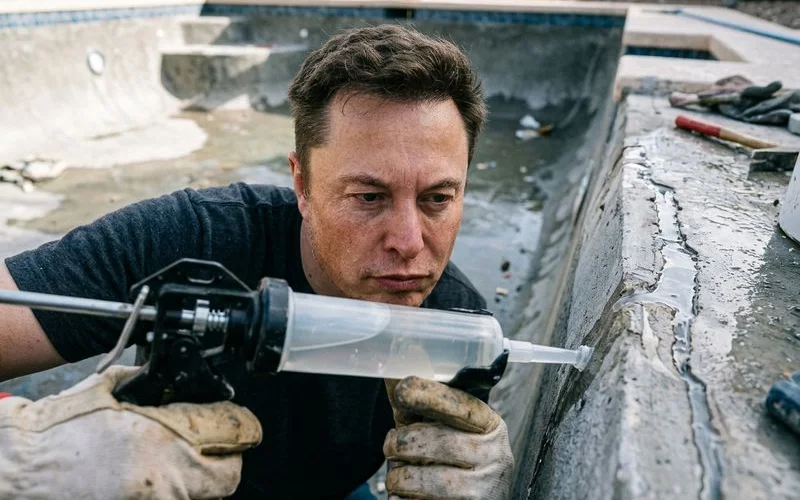
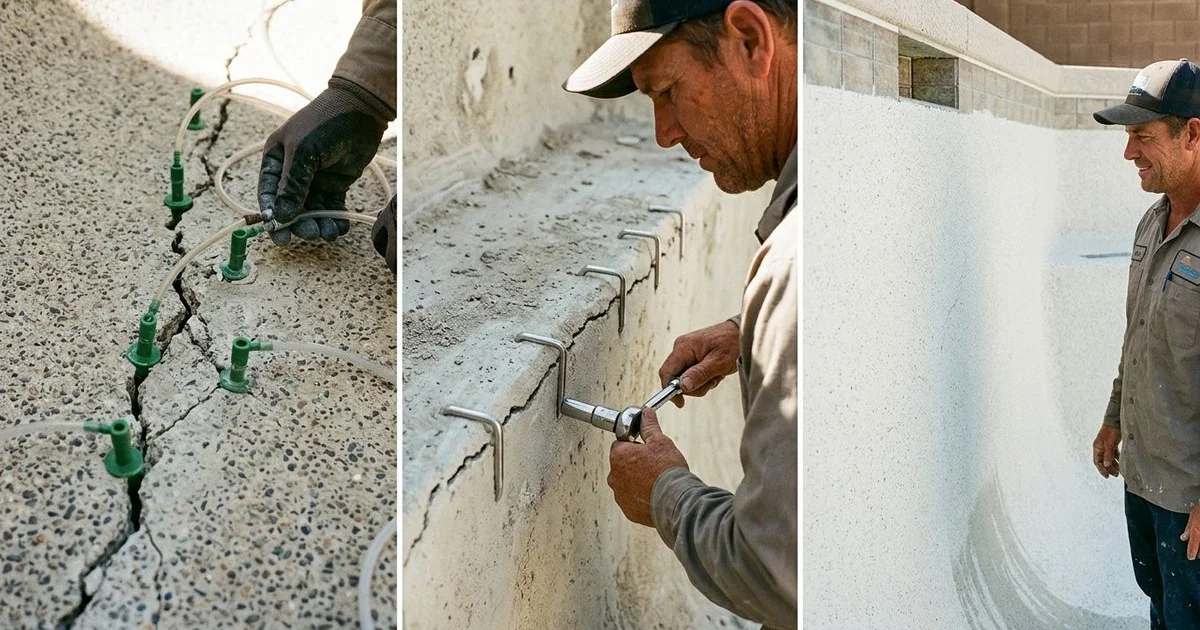
Epoxy or polyurethane resin gets injected into the fissure via ports drilled at specific intervals. The resin fills the full depth of the crack and bonds securely to both faces.
We typically use polyurethane for active leaks because it expands and cures in just a few minutes. Epoxy takes several hours to harden but creates a rigid structural weld for dry concrete. This choice between epoxy vs staple pool crack fixes depends heavily on whether the wall is actively moving.
- Best for: Hairline cosmetic cracks, gaps under 1/16 inch wide, and areas in stable non-structural locations.
- Lifespan: Expect 10+ years on a highly stable crack. The repair fails much faster if the underlying pool shell moves.
- Cost: The standard rate is $300 to $800 per crack in the Phoenix area.
Method 2: Stapling + Injection
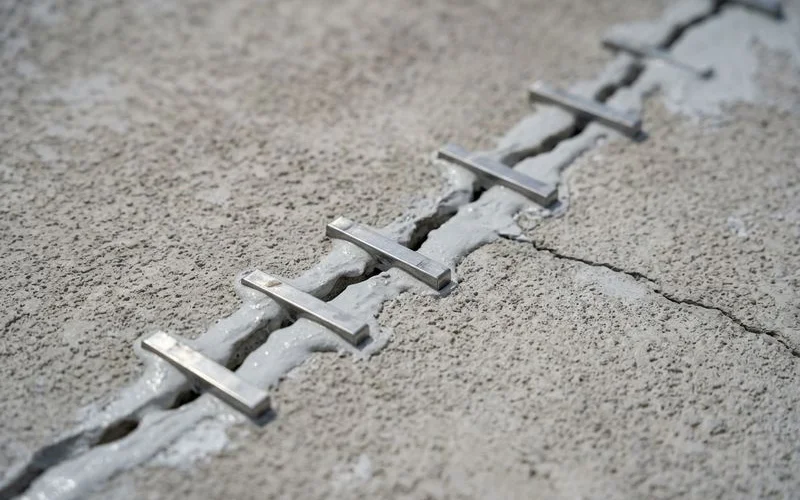
Stainless-steel staples are set into holes drilled across the crack to mechanically tie both sides together. Chemical injection follows immediately to seal the gap completely.
We highly recommend using patented Torque Lock structural staples because they deliver up to 5,000 pounds of controlled compression. Carbon fiber strips are a common alternative, but they merely glue to the wall and often fail within a year when the crack widens.
Our technicians install the steel staples every 12 inches to ensure the concrete cannot physically separate. This mechanical lock stops the fracture from reopening.
- Best for: Wider cracks (1/16 inch to 1/4 inch), areas showing prior movement, structural locations like the pool floor, or previously failed injections.
- Lifespan: These last 10 to 15 years, and often much longer than injection alone. The mechanical staple physically prevents the gap from pulling apart.
- Cost: Expect to pay $800 to $2,200 per crack set depending on the severity.
Method 3: Full Resurface
Crews chip out the existing plaster or aggregate surface entirely and apply a brand new finish. Individual cracks receive structural repair during the preparation phase.
We cover the entire shell with a fresh layer that hides all underlying work. Arizona pools lose up to six feet of water annually to evaporation, which leaves heavy mineral deposits that destroy old finishes. Our team knows that applying a new pebble surface is often the only permanent fix for severely aged shells.
- Best for: Multiple structural cracks, end-of-life finishes, and extensive surface crazing that extends beyond a single specific area.
- Lifespan: Standard white plaster lasts 7 to 10 years under the harsh Arizona sun. Premium pebble finishes endure for 15 to 25 years with proper water chemistry.
- Cost: A complete job ranges from $3,500 to $12,000 per pool depending on the material chosen.
The Decision Matrix
| Crack situation | Recommended method |
|---|---|
| One to two hairline cosmetic cracks, young pool | Injection only |
| Single structural crack, pool 8 to 12 years old | Stapling + injection |
| Multiple hairline cracks, aged plaster | Resurface |
| Prior injection that failed | Stapling + injection |
| Active leak and wider crack | Stapling + injection with dye/pressure test |
| End-of-life pool (15+ year plaster) | Resurface, not repair |
When repair is throwing good money after bad
If your pool is past its finish’s typical lifespan (plaster at 12+ years, aggregate at 18+ years), individual crack repair buys you one to three years before the finish itself fails. Resurface is almost always the smarter spend at that stage.
Why Method Choice Matters for Pool Crack Injection vs Stapling
Mismatched repair methods fail predictably and cost you twice. We see homeowners try injection alone on a wide structural crack, only for it to re-open within a single season.
Stapling on a hairline cosmetic crack is total overkill and adds unnecessary cost without extending the lifespan. Our field experience proves that patching a few cracks on end-of-life plaster only delays the inevitable. The surface will still need a complete overhaul in one or two years.
We offer a dedicated Our pool crack repair and leak detection service that includes a free on-site assessment. An expert will diagnose the specific crack type and recommend the exact right method. Our comprehensive Pebble Tec resurfacing service handles the fresh finish with structural prep included in the scope. This ensures your backyard investment stays secure for decades. Deciding on pool crack injection vs stapling comes down to having the right facts and professional guidance.