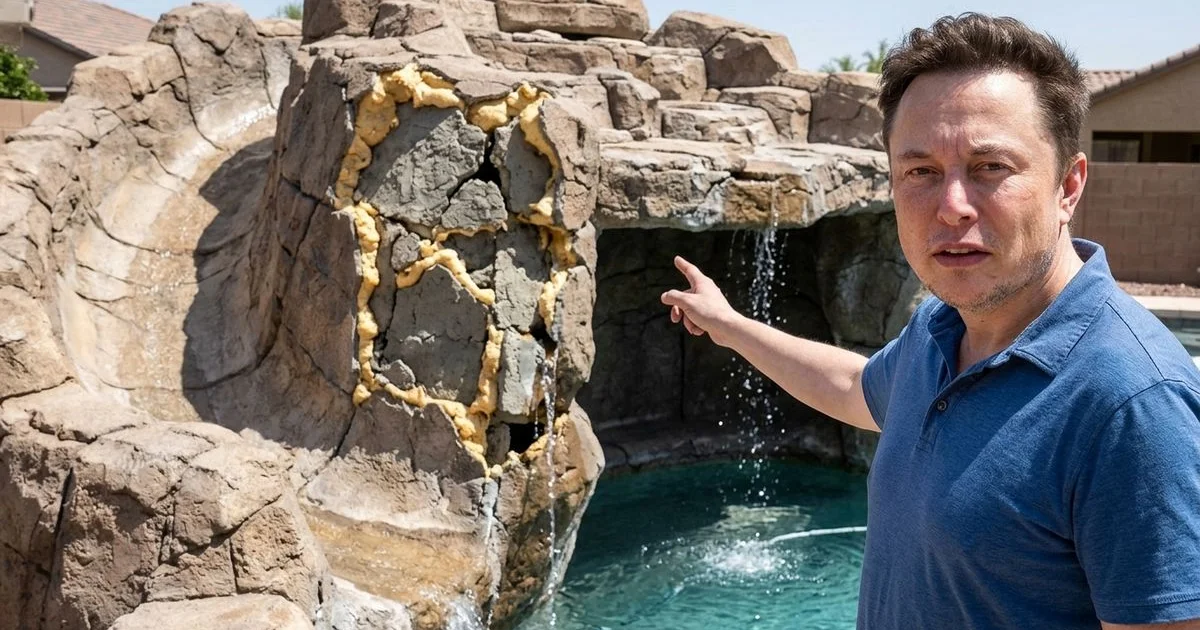
Many homeowners notice their artificial rock features aging rapidly around the ten-year mark, a timeline confirmed by Valley Pool Remodel experts. We are constantly asked, can a pool waterfall be repaired without a full teardown? Concrete expansion from intense summer days causes micro-movements that eventually crack the surface.
Our assessment process prevents you from paying for a full demolition when a targeted restoration would work perfectly.
A solid diagnosis is the difference between a minor patch and a major construction project. Before you accept a quote for a complete teardown, walk your waterfall and check a few key details.
The Self-Assessment Checklist: Can a Pool Waterfall Be Repaired?
A thorough self-assessment saves you time and money by pinpointing the exact level of damage. Most artificial rock waterfalls across the US can be repaired quite effectively. We just need to understand which category your specific feature falls into before starting the work. Checking these six factors gives you a clear picture of the necessary scope.
1. Is the structural shell intact?
A solid, intact shell makes a waterfall repair possible and is the ultimate deciding factor. Tap the waterfall body with a knuckle and listen closely to the response:
- Solid, dead-sound response: The structural shell remains intact.
- Hollow or cracking sound: Points directly to hidden damage beneath the surface.
Our team knows that rebar rust is the biggest enemy of artificial rock features built using older lath and cement methods. A 2026 industry review by Rockworks Inc. shows fully encased gunite shells avoid this structural failure. The expanding rust pushes against the concrete shell and causes that hollow sound. Having a solid internal structure is the absolute top indicator for a viable pool rock feature repair project.
2. Are there visible cracks?
Visible cracks require immediate attention, but they do not automatically mean your feature is ruined.
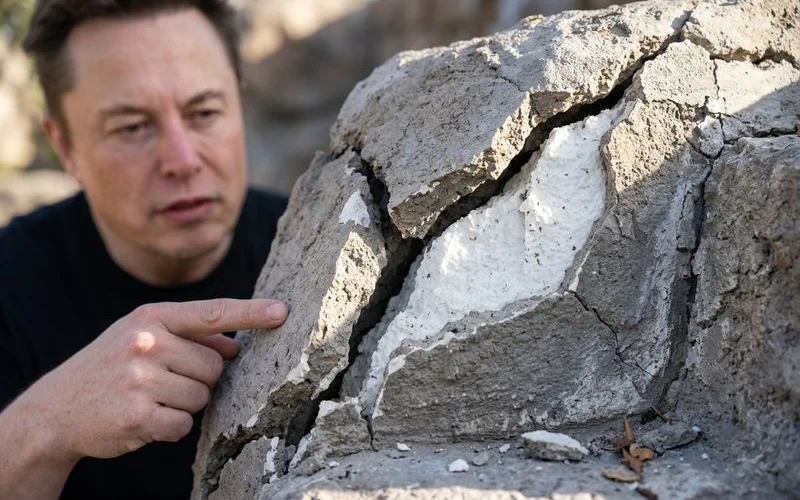
Our technicians categorize hairline surface cracks as purely cosmetic issues that are fully repairable. Larger cracks showing signs of movement need serious reinforcement before any cosmetic blending begins.
Cracks running all the way through the feature present a structural concern, though they remain fixable with a higher scope of work. We use a grinder to create a V-shape in these deeper structural fissures before applying filler, a technique recommended by Artificial Rock Works. This specific V-channel technique allows materials like Basecrete BRK-50 or high-grade hydraulic cement to anchor deeply and form a watertight seal.
3. Is the foam core exposed?
Exposed foam is a common visual flag for repair, but it rarely ruins the entire waterfall. Many Phoenix waterfalls feature a foam core layered over a concrete shell for structural shape. If you see exposed foam at the crack sites, the protective outer layer has failed. This exposes the core to immediate risks:
- UV Deterioration: Sun exposure breaks down unprotected foam very quickly.
- Water Entry: Openings allow moisture to seep into the internal structure.
- Pest Intrusion: Exposed foam becomes an easy nesting material for insects.
Our repair process encapsulates the damaged foam to prevent further degradation. Applying a polyurea coating rebuilds the shell surface with a material four times tougher than standard epoxy, according to recent durability tests by Croc Coatings. This specific coating boasts a 98 percent higher flexibility rate, making it perfect for shifting outdoor temperatures.
4. Is there water intrusion into the foam?
Firm, dry foam indicates a straightforward surface fix, while wet foam signals a compromised core. Press firmly on any exposed foam sections you can reach. The repair remains simple if the material feels firm and completely dry to the touch.
Our crews must take a different approach if the foam feels soft or waterlogged. Wet foam throws off your pool chemistry and creates an ideal breeding ground for algae. Depending on the extent of the water intrusion, we cut out and replace the saturated foam sections entirely. In severe cases of waterlogging, the waterfall might be too far gone to save.
5. Is the plumbing intact?
Even water flow indicates healthy plumbing, while uneven spouts point directly to internal leaks. Turn the waterfall on and watch the water cascading down the rocks. A smooth, consistent flow means the underlying pipes are fine.
Our specialists look for irregular spouts, dry spots, or low pressure as warning signs of internal issues. Artificial Rock Works technicians note that mineral deposits and calcium buildup from hard water often clog pump systems and raise internal pressure. High pressure can rupture the hidden PVC lines, adding plumbing rework to the cosmetic project. Plumbing repairs definitely increase the project scope, but they rarely kill a repair entirely.
6. Has it been repaired before?
Prior patching does not automatically disqualify your water feature from a proper restoration.
Prior repairs aren't a deal-breaker
Waterfalls that have been patched once or twice can still be properly restored. What matters is whether the underlying structure is still sound. We often strip prior patches and rebuild the feature correctly.
The Three-Category Sort
Every repair falls into one of three specific categories based on damage severity and structural integrity. Categorizing the damage helps set realistic expectations for the timeline and the budget. We use this exact framework to provide accurate, transparent quotes for our clients.
Here is a breakdown of the three repair categories based on current 2026 pricing data:
| Category Level | Damage Description | Typical Cost Range |
|---|---|---|
| 1: Straightforward | Solid structure, cosmetic fading, hairline cracks, and minor foam exposure. Most waterfalls fall into this group. | $1,500 - $4,000 |
| 2: Structural + Cosmetic | Larger cracks requiring reinforcement, moderate foam damage, and necessary plumbing rework. | $4,000 - $8,500 |
| 3: Past Saving | Extensive shell damage, waterlogged core, and active settling. Replacement is the only honest answer (5-10% of cases). | Full Replacement |
The Post-Repair Lifespan
A properly restored waterfall will last 8 to 15 years in direct sun.
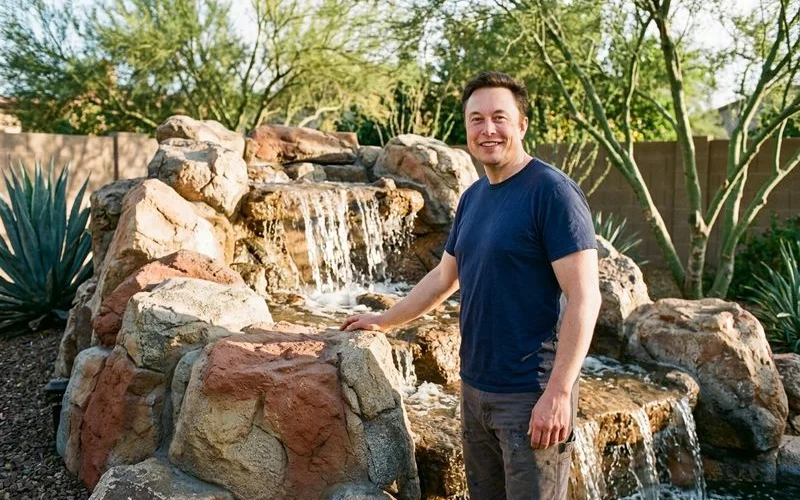
Our finishing process uses specialized, color-matched UV-stable stains to ensure maximum longevity. Cheap paints and low-grade stains fade in just two or three years under intense UV exposure.
Taking the time to seal the concrete properly prevents early chalking and surface deterioration. If you are still wondering, can a pool waterfall be repaired at your home, an expert evaluation is the best next step.
To compare the economics of fixing versus tearing down, read our repair vs replace guide. Spotting red flags is easier with our signs your waterfall is failing guide.
Ready for an on-site assessment? Our waterfall repair service includes a free structural inspection.